


The antlion larva moves deeper into the sand to build its cocoon. It extends its heavy abdomen lengthwise and from it, extrudes white silken threads which form a hollow sphere
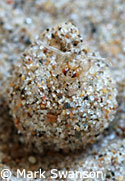

Figure 1. The cocoon of an antlion (Myrmeleon sp.).

© 2005 Mark Swanson
 |  |
held in place by the surrounding sand. (Some of the larva's stored waste matter is used to produce this silk.)
 |


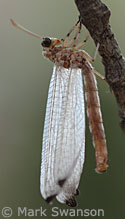
Figure 2. An antlion adult (Myrmeleon sp.),
recently emerged from its cocoon.

© 2005 Mark Swanson
|
Inside this hollow sphere, it undergoes metamorphosis into a pupa.
Near the end of the pupal stage, the antlion eliminates the rest of its accumulated
feces in the form of a pellet called a
meconium. After a pupation period
of about three weeks, a tiny-winged
imago (adult) emerges from the cocoon,
leaving a small hatch at the opening (Figure 1), and climbs to the surface.
The adult antlion usually emerges from its cocoon in the evening. It is
not yet able to fly, so it climbs up the nearest plant or tree where it waits
for its wings to expand and harden (Figure 2). After about 20
minutes the adult's wings are fully formed. An adult antlion may eat
small flies or water, but its real purpose now is reproduction, not feeding.
Its remaining life lasts less than a month on averageenough
time for it to mate and lay eggs.
 Video: "Metamorphosis"
QuickTime movie (0:21)
Choose the best size for your Internet connection:
|
|
|
If
you need the QuickTime plug-in, download it from Apple.
QuickTime and the QuickTime Logo are trademarks of Apple Computer, Inc., registered in the U.S. and other countries. The Get QuickTime Badge is a trademark of Apple Computer Inc., used with permission.
|
|